Studio

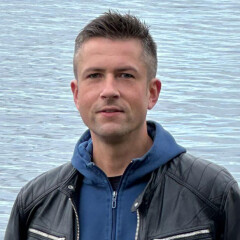
My studio is located where I live and work. Having lived and worked in several countries, I have gathered inspiration from many cultures and surroundings. When I travel, I always bring along my materials so I can continue creating every day.

Techniques

My work incorporates a variety of techniques, many of which can be seen throughout my portfolio. I work with:

Pencil & ink

The pencil and ink technique combines the precision of graphite drawing with the bold contrast of ink. Artist’s sketch initial forms in pencil, then enhance details and depth using ink lines or washes. This method balances softness and structure, creating expressive, detailed artworks with strong visual impact and refined texture.

Oil paint

Oil paint is a rich, slow-drying medium made from pigments mixed with natural oils like linseed or safflower. It allows smooth blending, vivid colors, and textured brushwork. Favored by artists for its depth and luminosity, oil paint creates durable, expressive artworks that can last for centuries.

Oil paint with texture

Oil paint with structure techniques involves applying thick layers of paint to create texture and depth. Artists use brushes, palette knives, or additives to build raised surfaces that catch light dynamically. This method enhances expression, emphasizing movement and emotion while giving the artwork a tactile, three-dimensional quality and vibrant presence.

Watercolour

Watercolour techniques use transparent pigments mixed with water to create soft, luminous effects. Artists layer washes, blend tones, and control water flow for depth and texture. The fluid nature of watercolour allows spontaneous expression, delicate transitions, and vibrant light effects, resulting in fresh, atmospheric, and visually captivating artworks.

Acrylics

Acrylic techniques use fast-drying, versatile paints that can mimic oil or watercolor effects. Artists apply layers, glazes, or impasto textures, often combining brushes, palette knives, or mixed media. Acrylics allow bold colors, sharp contrasts, and creative experimentation, producing durable, vibrant artworks with both smooth and textured finishes.

Wet-on-wet technique

The wet-on-wet technique involves applying fresh paint onto a still-wet layer, allowing colors to blend naturally on the surface. Common in oil and watercolor painting, it creates soft transitions, gradients, and fluid effects. This method encourages spontaneity, expressive brushwork, and dynamic, atmospheric compositions with seamless color harmonies.